
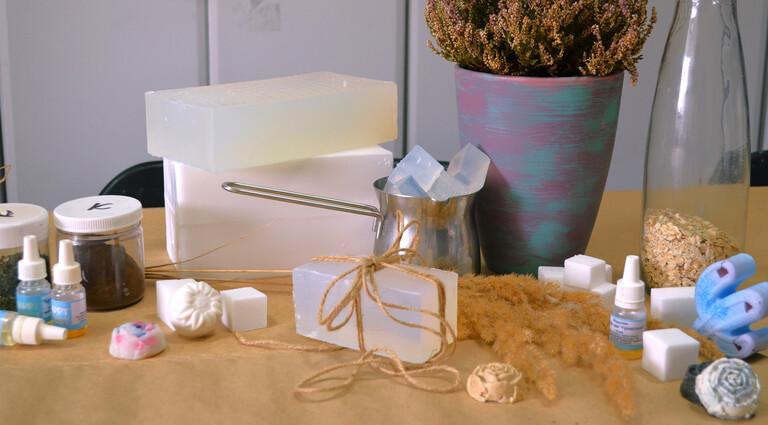
The allure of crafting everyday items by hand is gaining considerable traction. Beyond mere utility, creating something from fundamental components offers a profound sense of accomplishment and control over what we use daily. This applies especially to items like soap, which touches our skin and senses. The journey into homemade soap production is not just about a finished product; it's about understanding ingredients and embracing a creative process that yields something truly unique.
Many individuals are increasingly mindful of the substances present in their personal care items. Commercial offerings often contain complex formulations, making it challenging to decipher their components. Crafting soap at home provides a transparent alternative, allowing you to select each element deliberately. This ensures a final product tailored precisely to your preferences and needs, fostering a deeper connection with your personal care regimen.
Embarking on the path of soap crafting might seem daunting at first, with initial concerns about specialized equipment or intricate procedures. However, with the right guidance and a methodical approach, anyone can master this rewarding skill. It's a journey that transforms raw materials into elegant, functional items, providing both practical benefits and a creative outlet. The initial learning curve is quickly overcome by the satisfaction of producing your own high-quality items.
This pursuit offers more than just a tangible item; it cultivates patience, precision, and an appreciation for traditional craft. Imagine designing a bar of soap with a specific aroma, texture, and visual appeal, perfectly suited for a relaxing bath or a refreshing morning shower. MachaAle recognizes the intrinsic value in such personal endeavors and aims to empower individuals to explore their creative potential through artisanal crafts.
At the heart of traditional soap crafting lies the fascinating process of saponification, where fats or oils react with a lye solution to form soap and glycerin. The foundational components typically include a carefully chosen blend of oils, such as olive, coconut, and palm (or sustainable alternatives), distilled water, and sodium hydroxide (lye). Each oil contributes distinct properties to the final bar, influencing its hardness, lather, and moisturizing qualities. Precision in measurement is paramount, as even slight deviations can alter the outcome significantly.
Safety is a non-negotiable aspect when working with sodium hydroxide. Always wear appropriate personal protective equipment, including gloves and eye protection, and ensure adequate ventilation. Mixing lye with water creates an exothermic reaction, requiring careful handling and adherence to established protocols. While the cold process method allows for great creative control, understanding these chemical interactions is key to producing a safe and effective product. MachaAle emphasizes the importance of learning and applying these safety measures diligently throughout your crafting journey.
Once the basic soap base is prepared, the true artistry begins with customizing its sensory profile. This involves incorporating carefully selected essential oils or fragrance oils to impart a desired aroma, and adding various colorants to achieve specific visual effects. Botanicals like dried herbs or clays can also be introduced for texture and gentle exfoliation. The creative possibilities are extensive, allowing you to design bars that evoke specific moods or cater to particular skin preferences. Thoughtful selection of these additives elevates a simple bar into a personalized item.
After your beautifully crafted soap is unmolded and cut, it enters a crucial phase known as curing. This period, typically lasting 4-6 weeks, allows excess water to evaporate, resulting in a harder, longer-lasting bar with a milder lather. During curing, the saponification process also fully completes, ensuring a gentle product. Proper air circulation is vital during this stage; placing bars on a rack in a well-ventilated area is ideal. Patience is a virtue here, as rushing this step can compromise the final quality and longevity of your creation.
Embarking on the adventure of making soap at home is a deeply satisfying pursuit. It offers an unparalleled opportunity to engage with materials, understand their transformations, and create items that are both beautiful and functional. This journey from raw components to a finished bar is a testament to the rewards of careful craft.
The ability to customize every aspect, from the choice of oils to the aroma and aesthetic, empowers you to produce items perfectly aligned with your vision. This level of personalization is rarely found in mass-produced goods, making your handmade creations truly special and unique. It's an exploration of creativity that culminates in tangible, high-quality items.
MachaAle encourages you to embrace this fulfilling craft, offering resources and insights to guide your journey. Whether you're seeking a new hobby or aiming for greater control over your personal care products, the world of soap making awaits. Discover the profound satisfaction of crafting with your own hands.
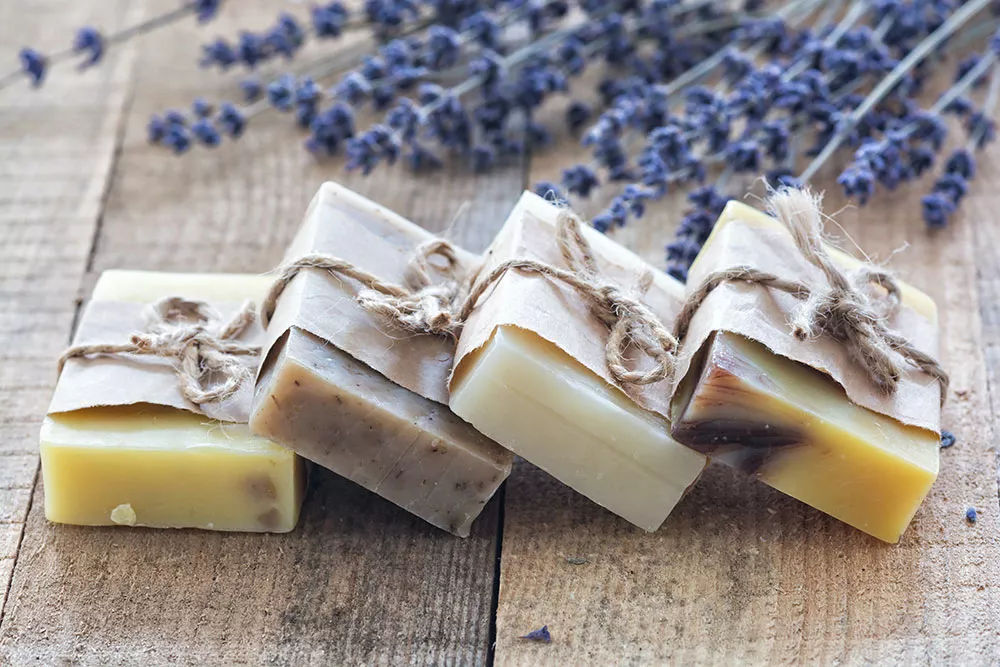
We offer inspiring soap making courses for all levels. Discover the joy of crafting unique, handmade soaps using quality ingredients and expert techniques. Join our community and unleash your creativity in a supportive learning environment.
Copyright MachaAle
Comments
Chatchadaphorn Bannachat
This article is incredibly inspiring! I've always wanted to try making my own soap, but felt intimidated. The emphasis on safety and understanding ingredients makes it feel much more approachable. Thank you, MachaAle, for this excellent guide!
Chaiwat Udomchat
We're delighted to hear that our guide resonated with you! Taking that first step can be the most challenging, but with careful preparation, it's a truly rewarding experience. We encourage you to explore the craft further!
Wichian Chanwong
The explanation of saponification was clear. I'm curious about the shelf life of handmade soaps compared to commercial ones. Is there a significant difference in how long they last before use?
Rungnapa Tharachart
That's an excellent question! Handmade soaps, especially those properly cured and stored, typically have a shelf life of 1-2 years. Their longevity can be influenced by the oils used and storage conditions. Commercial soaps often contain preservatives that extend their shelf life, but handmade items prioritize simpler formulations.